October 11, 2026
Why a Coconut Cream Bath Bomb Might Be Your New Favorite Self-Care Treat
By @thecoconutcreambathbombfocus
There is something about dropping a fizzing bath bomb into hot water that feels like a small ceremony. The color swirling, the scent rising, the way the surface turns silky. For a lot of us, that moment is the boundary between a long day and some quiet time we actually control. Over the past few years I have tried bath bombs from boutique shops, farmers markets, and big box stores. Some were all show and no feel. Others left a ring of glitter I was still finding weeks later. But one type keeps pulling me back: the coconut cream bath bomb. It is not just about the fizz. It is about what that fizz leaves behind.
A well-made coconut cream bath bomb does something most bath bombs do not. It hydrates. The standard bath bomb relies on citric acid and baking soda for the fizz, plus a bit of fragrance. The skin feel is often an afterthought. But when coconut oil and shea butter get into the mix, the water changes. Instead of stepping out dry and slightly perfumed, you step out with skin that feels conditioned. That difference matters when you are using a bath bomb as part of a regular wellness routine rather than as an occasional novelty.
The Real Difference Between a Gimmick and a Tool
Bath products sit on a spectrum. At one end you have the novelty bomb that turns the water bright blue and smells like candy. At the other end you have a therapeutic bath that actually does something for your skin, your muscles, or your mood. A coconut cream bath bomb lands toward the useful end. The coconut oil base melts into the water and clings to your skin. Combined with shea butter, it leaves a thin layer of moisture that does not rinse off when you drain the tub. That is not a marketing claim. That is basic fat chemistry. Oil and water do not mix, but they can coexist long enough for your skin to pick up what it needs.
I have recommended this type of bath bomb to friends who deal with dry winter skin and to those who just want a bath soak that does not leave them feeling stripped. The feedback is consistent: it feels different. Less like a bath and more like a treatment.
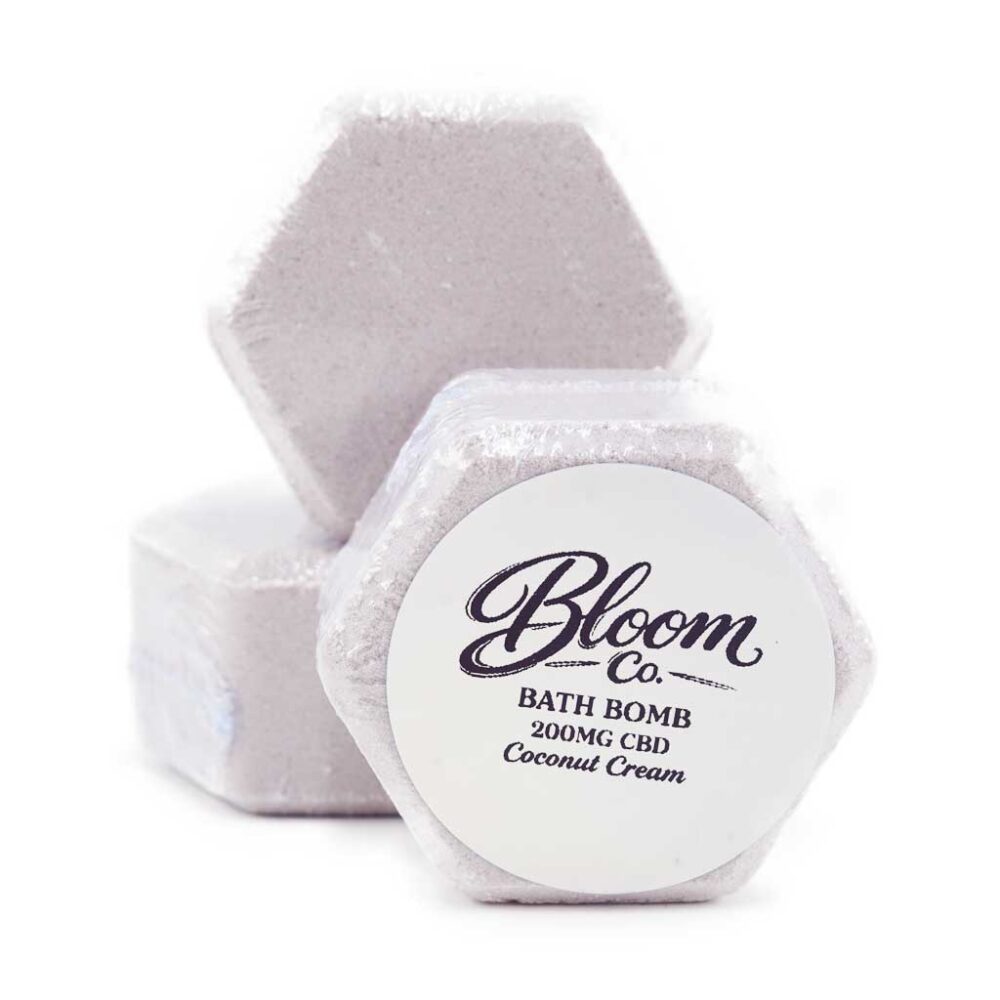
What Goes Into a Good One
Not every coconut cream bath bomb is the same. The label might say coconut, but the actual ingredients tell the story. A solid formula starts with natural ingredients. Baking soda and citric acid are fine. Those are the fizz. But after that you want to see coconut oil high on the list, not buried after synthetic fragrance. Shea butter is a plus. It adds a second layer of moisture and a bit of thickness to the water. Epsom salts are another good sign. They help with muscle relief and soften the water, which makes the whole bath feel smoother. Hemp extract can also show up in more serious formulas. It brings fatty acids that support skin hydration without making the water greasy.
I have used bath bombs from Kush Station that include exactly this kind of lineup. Their approach leans into the wellness side. They combine CBD bath bombs with coconut oil and shea butter, then add essential oils for the scent rather than artificial perfume. That changes the experience. You are not just soaking in colored water. You are soaking in something that was assembled with a purpose.
CBD Bath Bombs and the Case for Calm
This is where the conversation gets specific. A coconut cream bath bomb that also contains hemp extract or CBD is a different animal from a standard bath bomb. The CBD does not get you high. That is not how it works through the skin. But it does interact with receptors in the skin that are tied to local discomfort. People use it for muscle relief after a workout or for general stress reduction. When you combine that with the warmth of a bath and the aromatherapy of something like lavender or eucalyptus, you get a multi-sensory reset that a shower just cannot match.
I have a friend who is a physical therapist. She recommends CBD bath bombs to clients who have chronic tension in their shoulders and lower back. Not as a cure, but as part of a recovery routine that includes stretching and sleep. The bath bomb is the part that makes the routine feel like a reward rather than a chore. That psychological piece matters. If a product makes you look forward to your self-care, you are more likely to do it consistently.
Mindfulness in the Tub
There is a growing interest in using bath time as a mindfulness practice. That sounds like wellness jargon until you actually try it. You get in the water. You turn off the phone. You watch the fizzing bath bomb dissolve. The scent comes up in waves. The warmth settles into your muscles. For ten or fifteen minutes there is nothing to do but be there. That is mindfulness. It does not require a meditation app or a special cushion. It just requires a bath and a product that makes you want to stay in the water.
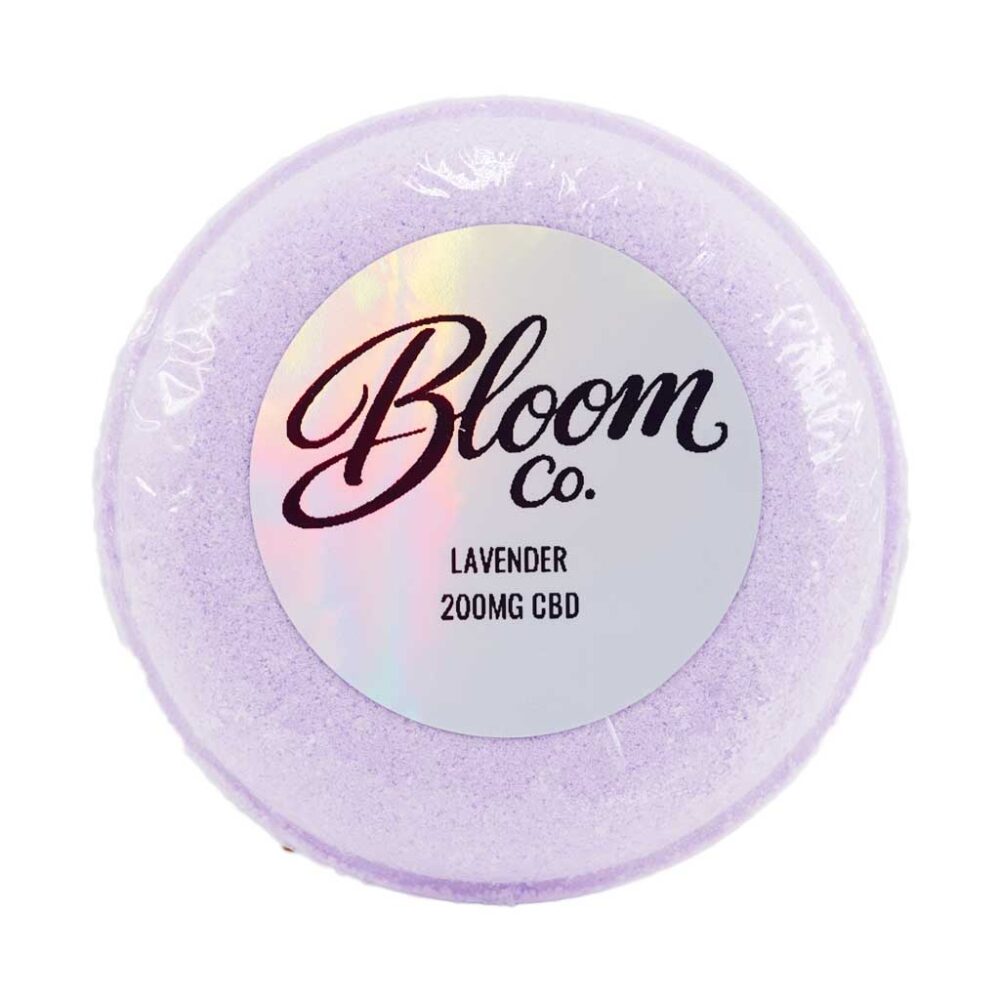
A coconut cream bath bomb supports that practice better than a bath bomb that dries out your skin, because you do not feel rushed to get out and apply lotion. The moisture is already there. You can stay until the water cools and still feel fine when you step out. That changes the pace of the whole experience.
Practical Things to Look For
If you are shopping for a bath bomb that actually hydrates, here are a few things to check before you buy:
- Look for coconut oil or shea butter in the first five ingredients. If they are not there, the bomb is mostly filler.
- Check for Epsom salts. They make the water feel silkier and help with muscle relief.
- If you want CBD, verify that the product lists hemp extract or a specific CBD amount. Vague terms like "hemp seed oil" are not the same thing.
- Skip anything with synthetic fragrance high on the list if you have sensitive skin. Essential oils like lavender or chamomile are gentler and actually smell like the plant.
- Make sure the product is labeled vegan cosmetics and gluten-free if those matter to you. Many natural brands already meet those standards, but it is worth confirming.
How to Get the Most Out of It
Using a coconut cream bath bomb is simple, but a few small adjustments make a big difference. Fill the tub with hot water first, then drop the bomb in. Let it fizz completely before you get in. That gives the coconut oil and shea butter time to disperse evenly. Swirl the water with your hand once or twice to make sure the oils are not just sitting on the surface. When you get in, take a moment to breathe in the scent before you do anything else. That is the aromatherapy part. It sets the tone.
After the bath, pat your skin dry instead of rubbing. The oils will stay on your skin longer that way. You might not even need lotion afterward. That is the sign of a good bath bomb. If your skin feels soft without any extra product, the formula did its job.
When a Bath Bomb Is Not Enough
I have to be honest. A bath bomb is not a solution for serious skin conditions or chronic pain. It is a support tool. If you have eczema or psoriasis, the coconut oil and shea butter might help, but you should still follow your dermatologist's advice. If you have deep muscle pain, the CBD bath bomb can help with relaxation, but it is not a replacement for medical care. The value of a bath bomb is in how it makes the rest of your routine easier to stick with. It turns a chore into a pleasure. That is not nothing.
The market is full of options now. Some are good. Some are just colored powder in a mold. The coconut cream bath bomb stands out because it delivers on a promise that most bath products ignore: leaving your skin better than it was before you got in. Whether you use it for stress reduction, skin hydration, or just as a way to end the day on a quiet note, it earns its place in your wellness routine.
❧